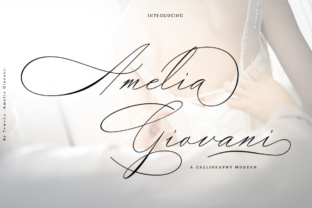
Amelia Giovani: A Creative Framework for Clear Ideas
In a world that constantly demands fresh content, distinctive visuals, and compelling stories, the challenge is rarely a lack of ideas. The challenge is deciding which ideas deserve your time and how to shape them into something that actually resonates with the people you are trying to reach. That is where the concept of Amelia Giovani enters the conversation. It is not a rigid method or a branding system. It is a creative framework designed to help you build clarity into every project, whether you are designing a product launch, writing a newsletter, or planning a workshop. Amelia Giovani asks a simple but powerful question: What is the core intention behind this work, and how can every decision reflect that intention?
What Amelia Giovani Represents
Amelia Giovani is best understood as a creative persona used to organize, refine, and deliver ideas with greater purpose. Think of it as a lens through which you examine your work before you publish, present, or produce. At its core, it blends two often separate forces: creative freedom and structural discipline. Without a structure, creativity can turn into scattered noise. Without freedom, discipline produces predictable, lifeless results. Amelia Giovani respects both, helping you move from a vague concept to a finished piece that feels intentional.
This framework works well across disciplines because it does not prescribe a specific recipe. Instead, it offers a set of guiding principles: define your core, strip the excess, and serve your audience with honesty. For example, a marketer launching a new product can use Amelia Giovani to refine their message until it aligns perfectly with their brand voice, while an educator designing a course introduction can use it to ensure every slide serves a clear learning objective. The name itself becomes a mental shortcut for “Does this choice support my purpose?”
Creative Possibilities and Practical Applications
One of the most freeing aspects of the Amelia Giovani approach is how broadly it can be applied. Here are several creative directions, each suited to different goals and platforms.
Content That Cuts Through Noise
Whether you are writing a blog post, recording a podcast solo episode, or scripting a short video for social media, the noise level online is high. Amelia Giovani encourages you to begin by distilling your message into one sentence. Not a clever hook, not a clickbait headline, but an honest answer to “What do I want someone to feel or understand after they engage with this?” From that single sentence, you can build supporting points, scan for fluff, and remove anything that dilutes the core. A wellness blogger, for instance, might start with “I want my audience to feel capable of starting a morning routine that actually fits their life, not someone else's.” Every tip, graphic, and story in that post then serves that one aim.
Visual Design with Purpose
Designers and creators often struggle with visual clutter. When you apply Amelia Giovani to a visual project, you ask yourself: Does every element here earn its place? A landing page for a freelance designer might adopt a restrained color palette and increased whitespace not because it looks trendy, but because those choices direct attention directly to the client testimonials and the call to action. A presentation for a nonprofit funder may use consistent iconography and clear data markers so the story stays in focus, not the aesthetic gymnastics. In both cases, the framework helps you choose simplicity over decoration without sacrificing beauty.
Storytelling Across Platforms
Different audiences live on different platforms, and a story that works on Instagram may not land in a newsletter or a live talk. Amelia Giovani adapts by asking you to respect the context while protecting the core message. For small business owners, this means taking the same brand story and shifting its delivery: a personal behind-the-scenes reel for a younger audience on TikTok, a more detailed case study for LinkedIn readers, and a polished origin page on your website for visitors who want to know who you are before they buy. Each version remains true to the same emotional truth, but the tone, length, and format change to meet the audience where they are.
How Different Users Can Adapt Amelia Giovani
Creativity is not one-size-fits-all, and the framework scales to different levels of experience and output.
For Freelancers and Solo Creators
You wear many hats, and it can be easy to let client requests pull you away from consistent, high-quality work. Use Amelia Giovani as a self-check before delivering a project. For example, a freelance copywriter might review a draft through this lens: Is this sentence here to impress the client with vocabulary, or does it actually help the reader take the next step? If the answer is the former, the words get cut. This builds a reputation for reliability and clarity that clients trust and return for.
For Marketing Teams and Small Business Owners
Teams often produce content by committee, which can water down the original spark. Introducing the Amelia Giovani mindset during the planning phase keeps campaigns aligned. When you define your brand intention early, every post, email, and ad becomes a piece of a larger, coherent picture. A local retail owner promoting a seasonal sale, for instance, would start with the simple goal: Help returning customers feel valued without pressuring new visitors. The tone in emails remains warm, in-store signage stays welcoming, and social ads focus on community sentiment rather than aggressive discounts.
For Educators and Workshop Facilitators
Teaching requires clarity of structure and empathy for the learner. Amelia Giovani helps educators map a learning path that respects limited attention spans and varied backgrounds. Instead of packing a workshop with information, you design moments to apply, reflect, and ask. Each module serves a clear outcome. A skill-building course on public speaking, for example, might limit itself to three foundational exercises, each one practiced multiple times, because the goal is not to cover every tip but to give participants real, usable confidence by the end of the session.
Keeping the Work Clear, Consistent, and Audience-Friendly
Applying a creative framework sounds good in theory, but how do you avoid overthinking every tiny detail? The answer is to build habits rather than rigid rules.
- Start with a one-sentence intention for each project. Write it down before you open your design software or your word processor. Return to it when you feel lost.
- Limit your options deliberately. If you are a designer, choose two typefaces and a minimal color palette. If you are a writer, choose a tone that matches your audience and stick with it for the first draft. Variation comes later when the foundation is solid.
- Ask who benefits from each decision. A flashy visual or a clever phrase that only serves your own curiosity is often the first thing to remove. Prioritize clarity for the person on the other side of the screen.
- Review for consistency after completion, not during creation. During creation, you need flow. After you have a full draft or prototype, step back and check whether the intention holds across every section. This is where Amelia Giovani truly shines: as a gentle editor rather than a critical voice.
Realistic Examples Across Creative Contexts
A fashion blogger with a growing Instagram following wanted to move from posting daily outfit shots to building a more engaged community. Using the Amelia Giovani approach, she redefined her core intention: I want my followers to experiment with personal style rather than imitate trends. That shift changed everything. She replaced scroll-stopping product tags with storytelling captions explaining how she combined old and new pieces. She started a weekly “try this, not that” story series highlighting how to style one garment three different ways. Her engagement rose not because the photography got flashier, but because the message became clearer and more helpful to her specific audience.
Another example: a small independent publisher wanted to market a new poetry collection without resorting to generic book promotion. The publisher used Amelia Giovani to strip the campaign down to one emotional anchor: Poetry is a permission slip to slow down. Instead of pushing “buy now” messaging, they created short audio recordings of poems paired with simple nature footage, threaded a calm visual identity through all social assets, and used email newsletters to share single lines with a brief personal note from the author. The result was a campaign that felt quiet, intentional, and remarkably effective in an era of loud marketing.
Practical Recommendations for Getting Started
If you want to integrate Amelia Giovani into your own creative process, begin with a small, low-stakes project. Maybe a personal blog post that has been sitting in your drafts, a flyer for an upcoming local event, or a single social media campaign for your side project. Go through the framework step by step:
- Clarify intention: What is the one main thing you want this piece to accomplish?
- Identify your audience's state: Are they busy, curious, skeptical, or inspired right now? Let that shape your starting tone.
- Build supporting structure: Arrange your points so each one strengthens the intention without distracting from it.
- Edit for usefulness, not perfection: Remove anything that feels clever but unnecessary. Keep what serves the person consuming it.
Over time, this practice becomes a natural part of how you create. You will spend less time second-guessing and more time producing work that genuinely connects. The name Amelia Giovani may fade into the background, but the principles will remain: clarity over cleverness, intention over impulse, and audience respect over ego.
Embracing the Balance Between Structure and Originality
Some creators worry that applying any kind of framework will dull their originality or make their work feel formulaic. That fear is understandable, especially if you have spent years cultivating a unique voice. However, the Amelia Giovani perspective offers a different view: originality becomes stronger when it is anchored. A musician who knows the emotional arc of their song before they enter the studio can experiment freely within that arc. A marketer who understands the core promise of their brand can test playful copy without losing the message. Structure does not kill creativity; it gives creativity a direction to travel in. Without direction, even the most brilliant ideas vanish into noise.
The most lasting work you can produce is work that someone remembers not because it was loud, but because it felt like it was made for them. That may sound like a high bar, but it is not reserved for professionals with big teams and large budgets. It is available to any creator, business owner, educator, or hobbyist who cares about how their work lands on the other side. Amelia Giovani is a reminder that you already have the ideas. What remains is the discipline to shape them into something clear, something useful, and something that truly honors the person paying attention.