Butterfly Script: The Art of Elegant Handwriting in a Digital Age
There is something quietly mesmerizing about a handwritten note that seems to dance across the page. Among the many calligraphic styles that have emerged over centuries, Butterfly Script holds a distinct place. It is not merely a way of forming letters. It is a method that combines rhythm, symmetry, and a deliberate lightness of touch. For anyone who has ever admired graceful handwriting and wondered how to achieve it, understanding Butterfly Script offers both a practical skill and an artistic pursuit.
What Makes Butterfly Script Distinctive
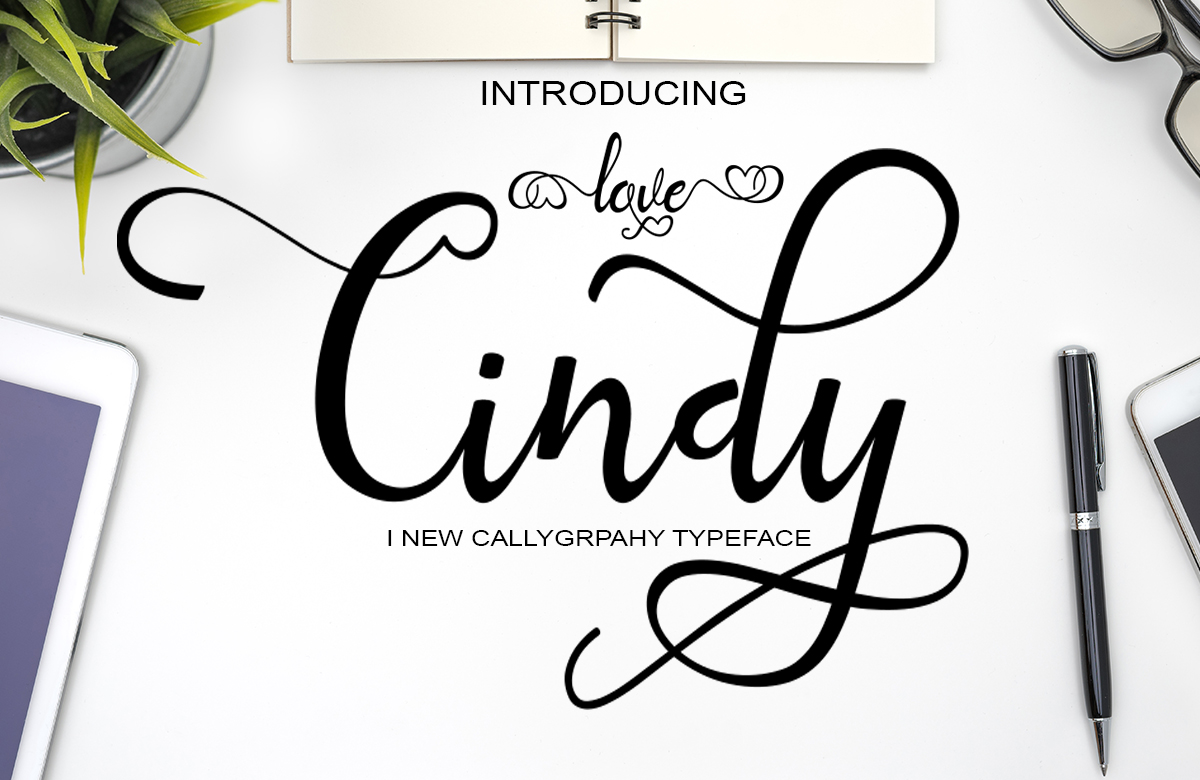
Butterfly Script is characterized by its airy, open letterforms and sweeping, wing-like strokes. The name itself evokes the image of a butterfly in motion—delicate, balanced, and beautiful. Unlike more rigid calligraphic hands such as Copperplate or Spencerian, Butterfly Script embraces a certain fluid asymmetry while maintaining overall harmony. The ascenders and descenders are often exaggerated but never heavy. Loops are wide and generous, and the slant is typically moderate, leaning just enough forward to create momentum without sacrificing legibility.
One of the defining features of Butterfly Script is the treatment of connecting strokes. They are thin and almost invisible, giving the impression that letters float just above the paper before linking together. This creates a visual lightness that is difficult to achieve with other styles. The pressure variation is subtle—thick downstrokes contrast with hair-thin upstrokes, but the transition is gentle rather than abrupt. This makes Butterfly Script approachable for beginners while still offering depth for experienced calligraphers.
The Qualities That Set It Apart
Butterfly Script is not just about appearance. It embodies several qualities that make it uniquely suited to modern creative work. First, there is versatility. Because the script does not rely on extreme contrast or rigid uniformity, it adapts well to different tools—from a simple ballpoint pen to a flexible nib fountain pen or even a brush marker. This means you can practice it without investing heavily in specialized equipment.
Second, Butterfly Script has a natural rhythm that encourages flow. Many people struggle with calligraphy because they focus too much on individual letter shapes and lose the overall movement. Butterfly Script, by design, forces the writer to think in terms of entire words. The connecting strokes guide the hand forward, and the open loops prevent the writing from becoming cramped. This makes it an excellent choice for journaling, personal correspondence, and creative projects where consistency matters but perfection is not the goal.
Third, there is a psychological dimension. Writing in Butterfly Script requires a relaxed grip and a steady breath. It is almost meditative. People who adopt this style often report that it reduces writing fatigue because the motions are larger and more fluid, relying on shoulder movement rather than finger tension. This ergonomic benefit is often overlooked but can make a significant difference during long writing sessions.
Where Butterfly Script Fits Into Modern Workflows
In an era dominated by keyboards and touchscreens, the role of handwriting has shifted. It is no longer the primary means of communication, but it has become a marker of intentionality. Butterfly Script fits perfectly into this context. It is not a style meant for speed or efficiency. Instead, it is a style for moments that deserve care—a thank-you note, a journal entry, a hand-lettered quote for social media, or even a personal branding element in a business context.
Many designers and bullet journal enthusiasts have rediscovered Butterfly Script because it strikes a balance between decorative and readable. Unlike more ornate calligraphy that can be difficult to read at small sizes, Butterfly Script retains clarity. Each letter is distinct, and the open forms prevent visual clutter. This makes it suitable for headers, titles, and short passages where you want to add personality without sacrificing comprehension.
In professional settings, Butterfly Script can be used for certificates, place cards, invitation envelopes, and even logotype sketches. Its elegant but approachable character works well for brands that want to communicate warmth and authenticity. A handwritten note in Butterfly Script carries a different weight than a typed email. It signals that time and thought were invested. For freelancers, small business owners, and creatives, this can be a subtle but powerful differentiator.
Practical Benefits and Considerations
Before diving into Butterfly Script, there are a few practical factors worth considering. First, patience is necessary. Like any handwriting style, it requires deliberate practice. However, because the strokes are generous and forgiving, improvement becomes visible relatively quickly. You do not need to master every letter before writing full words. In fact, practicing words from the start helps develop the rhythm that is central to the style.
Second, tool choice matters more than you might think. While Butterfly Script can be written with almost any pen, a tool that offers some line variation enhances the effect. A fine-tipped fountain pen with a flexible nib, a brush pen with a pointed tip, or even a pencil with a soft lead can all produce beautiful results. The key is to experiment and find what feels comfortable in your hand. Some people prefer the slight drag of a gel pen on smooth paper, while others love the feedback of a fountain pen on textured stock.
Paper quality is another consideration. Because Butterfly Script involves light strokes and subtle pressure changes, paper that is too rough can catch the nib and break the flow. Smooth, high-quality paper allows the pen to glide. This does not mean you need expensive stationery for practice. Even a smooth notebook or laser printer paper works well. The goal is to minimize friction so that your hand can maintain a consistent rhythm.
One common mistake beginners make is gripping the pen too tightly. Butterfly Script relies on a relaxed hold. If your hand cramps after a few minutes, you are likely applying too much pressure. The thin connecting strokes should feel effortless. A useful exercise is to practice large, looping motions in the air before putting pen to paper. This trains your muscle memory to prioritize flow over control.
Examples and Scenarios for Using Butterfly Script
Imagine you are preparing a set of handmade holiday cards. Using Butterfly Script, you can address each envelope in a style that feels personal and refined. The recipients may not know the name of the script, but they will notice the elegance. Similarly, if you keep a daily journal, switching to Butterfly Script for the opening line of each entry can be a small ritual that sets a reflective tone.
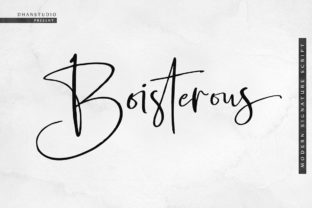
For content creators, Butterfly Script works beautifully in video titles, quote cards, and thumbnail text. A short phrase written in this style and photographed against a clean background can become a signature visual element. It also translates well into digital formats. Many font designers have drawn inspiration from Butterfly Script, creating typefaces that capture its spirit. However, nothing replaces the authenticity of the real thing.
Teachers and educators have also found value in Butterfly Script. Because it is clear and legible, it can be used for classroom displays, bulletin boards, and personalized notes to students. The style adds a touch of warmth without being overly formal. For students learning cursive, studying Butterfly Script can also improve their general handwriting by emphasizing rhythm and consistency.
Recommendations for Getting Started
If you are considering learning Butterfly Script, start by observing examples. Study the proportions, the angle of the slant, and the way letters connect. Then, practice basic strokes before moving to full letters. Focus on ovals, loops, and the thin upstrokes that give the script its airy quality. Do not worry about perfection. The charm of Butterfly Script lies partly in its natural variation.
It can be helpful to use guidelines. Lightly drawn slanted lines at a 50- to 55-degree angle provide a reference for consistent slant. Two horizontal lines mark the x-height, with additional lines for ascenders and descenders. Over time, you will internalize these proportions and no longer need the guides.
Another recommendation is to write slowly at first. Speed will come naturally as your hand becomes familiar with the movements. Many people rush and end up with uneven letters. Slowing down allows you to feel the transitions between strokes and develop muscle memory. Recording yourself writing can also be illuminating—you may notice tension in your hand or shoulder that you can correct.
Finally, use Butterfly Script in real contexts as soon as possible. Write a short note to a friend, label a jar in your kitchen, or add a heading to a project page. The more you use it, the more natural it becomes. It is not a style reserved for special occasions. Integrating it into daily life is what transforms it from a practiced skill into a genuine part of your expression.
Observations on Long-Term Enjoyment
Butterfly Script has a way of growing with you. Beginners appreciate its forgiveness, while experienced calligraphers find subtlety in its nuances. Over months and years, your personal variation will emerge. Your loops might become wider, your slant slightly more pronounced, or your connecting strokes even lighter. This evolution is part of what makes handwriting an intimate art form.
In a world where so much communication is ephemeral and typed, Butterfly Script offers a chance to slow down and leave a mark that is unmistakably human. Whether you are writing a single word or a long letter, the script carries an inherent grace that is both timeless and refreshingly current. And that is perhaps its greatest quality—it belongs equally to the past and to the present, waiting for each writer to make it their own.