Why Naive Ornaments Are Reshaping How Professionals Think About Design and Simplicity
In a creative landscape increasingly defined by complexity, algorithmic precision, and data-driven aesthetics, a counter-movement is quietly gaining traction. It goes by the name Naive Ornaments, and it is not a tool, a plugin, or a trend in the conventional sense. Rather, it is a philosophy—a deliberate return to the raw, the imperfect, and the human-scaled in design and content creation. For professionals, entrepreneurs, and freelancers navigating saturated markets, understanding what Naive Ornaments represents offers a fresh lens through which to rethink workflows, customer engagement, and brand identity.
What Naive Ornaments Actually Means
At its core, Naive Ornaments refers to the intentional use of simple, unpolished, and often handcrafted visual or narrative elements that evoke a sense of authenticity and approachability. The term "naive" here is not pejorative. It draws from the tradition of naive art—works created outside the framework of formal training, characterized by childlike perspective, flat colors, and a lack of concern for academic rules of composition. When applied to modern design or content, Naive Ornaments strips away the veneer of perfectionism and embraces what might be called "honest imperfection."
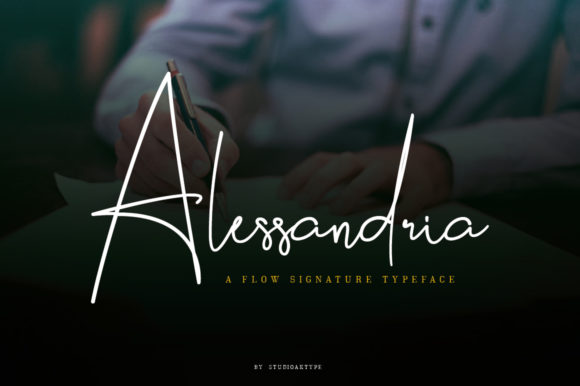
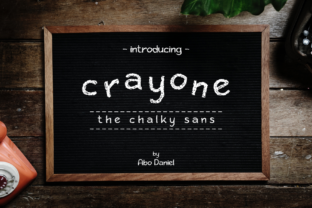
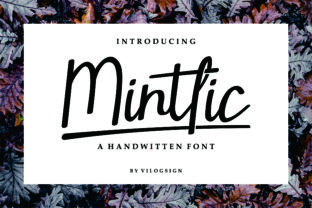
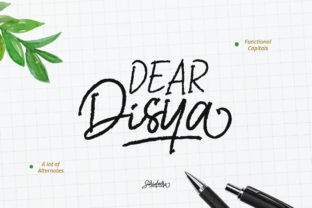
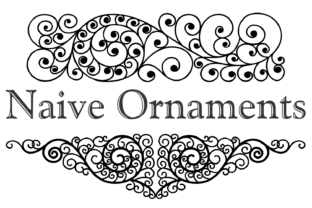
This might manifest as intentionally uneven typography, hand-drawn icons on a corporate website, rough textures in digital interfaces, or copy that reads more like a personal letter than a marketing pitch. The "ornaments" are not decorative in a superfluous sense. They are functional signals that say: this was made by people, for people. In a world where AI-generated imagery and templated layouts dominate, Naive Ornaments reintroduce the value of the handmade and the idiosyncratic.
Where Naive Ornaments Fits in Broader Industry Trends
To understand why Naive Ornaments matters now, it helps to look at the larger shifts reshaping creative and business environments. Over the past decade, we have witnessed an explosion of tools that democratize design—Canva, Figma, AI image generators, and low-code platforms. While these tools empower more people to create, they also create a homogenization of output. Millions of brands now use the same sans-serif fonts, the same gradient overlays, the same stock photography. The result is a kind of visual blandness that makes differentiation harder than ever.
Simultaneously, consumer expectations have shifted. Audiences have become highly adept at recognizing inauthenticity. They can spot a stock photo from thirty feet away. They scroll past generic taglines without a second thought. The demand for transparency, human connection, and brand personality has never been higher. Naive Ornaments directly addresses this cultural moment. It offers a way to stand out not by shouting louder, but by looking and feeling more human.
This aligns with what some researchers call the "authenticity economy"—where perceived genuineness carries tangible market value. Brands that embrace quirky, imperfect, or openly human design elements often enjoy stronger emotional resonance with their audiences. Naive Ornaments fits neatly into this paradigm. It is not about being primitive or amateurish. It is about choosing warmth over polish, character over sterility.
Why People Are Paying Attention to Naive Ornaments
Attention is being drawn to Naive Ornaments for several interconnected reasons. First, there is a growing fatigue with perfectionism. The relentless pressure to produce flawless work—flawless websites, flawless social feeds, flawless presentations—has led to burnout among creators and cynicism among audiences. Naive Ornaments offers a permission structure to let go of that burden. It says: your work does not have to be perfect to be valuable.
Second, the rise of remote and independent work has fueled a desire for more personal expression. Freelancers and small business owners, in particular, are seeking ways to differentiate themselves from larger competitors without massive budgets. Naive Ornaments provides a low-cost, high-impact strategy. A hand-drawn logo, a deliberately rough website, or a conversational tone can communicate personality in ways that a polished template cannot.
Third, the technology sector itself is beginning to embrace this aesthetic. Several notable startups and digital products have adopted naive or primitive visual styles to signal approachability and counter the coldness of high-tech interfaces. This is not a rejection of technology, but a humanization of it. When you see a digital product that uses uneven line drawings or handwritten-style annotations, you are experiencing Naive Ornaments in action.
Changing Needs and Workflows That Make Naive Ornaments Relevant
The relevance of Naive Ornaments is not purely aesthetic. It reflects deeper changes in how professionals approach their work. Consider the following shifts:
- Speed over perfection: Many teams now prioritize rapid iteration over polished launches. Naive Ornaments aligns with this mindset because it embraces rough edges as part of the process, not as flaws to be eliminated.
- Personal branding over corporate uniformity: Independent professionals and small teams increasingly build brands around their own personalities. Naive Ornaments gives them a visual and verbal vocabulary that feels personal rather than institutional.
- Storytelling over feature lists: Marketing has shifted from listing product features to telling compelling stories. Naive Ornaments supports narrative-driven design by making every element feel intentional and human.
- Accessibility and inclusivity: Overly complex or polished design can alienate users. Simpler, more direct design choices can improve accessibility—both in terms of usability and emotional connection.
For a freelancer, adopting Naive Ornaments might mean replacing a sterile portfolio template with a site that uses hand-crafted illustrations and candid project descriptions. For a marketer, it might mean writing email copy that includes intentional grammatical quirks or asymmetrical layouts that feel less automated. For a product designer, it could involve integrating rough texture or hand-drawn elements into an interface to soften the user experience.
Practical Examples and Observations
Consider a small consulting firm that specializes in organizational culture. Instead of using a conventional corporate website with stock photos of handshakes and glass-walled conference rooms, they opt for a site with hand-drawn diagrams, informal team photos, and copy that reads like a conversation. The result is not unprofessional—it is disarming. Clients report feeling more comfortable and trusting because the firm appears approachable and honest.
Another example comes from a software developer who builds productivity tools. Their interface uses deliberately simple icons that look hand-drawn, with asymmetrical spacing and muted colors. Users often comment that the tool feels "warm" compared to competitors. The developer did not sacrifice functionality—they simply used Naive Ornaments to create a distinct emotional tone.
Even in content marketing, we see this trend. Newsletters that use plain text formatting, minimal images, and a conversational writing style often outperform highly designed competitors. The lack of ornamentation becomes an ornament in itself—a signal of authenticity. Naive Ornaments is not about adding decoration. It is about choosing the right kind of presence.
Connecting Naive Ornaments to Larger Developments
The rise of Naive Ornaments does not exist in a vacuum. It connects to broader cultural and technological developments that are reshaping how we produce and consume media. The post-pandemic emphasis on mental health and well-being has made many people more sensitive to the emotional weight of design. Overly slick, aggressive interfaces can feel exhausting. Naive Ornaments offers a gentler alternative.
Furthermore, the decentralization of creative production—more people making content outside traditional institutions—has created a demand for aesthetics that feel accessible rather than aspirational. Naive Ornaments is inherently democratic. It requires no expensive software, no formal training, and no approval from gatekeepers. Anyone can adopt it, adapt it, and make it their own.
Finally, there is a philosophical dimension. In an era of generative AI and mass-produced digital content, the imperfect, the incomplete, and the unmistakably human become more valuable, not less. Naive Ornaments is a quiet protest against the tyranny of the optimized. It is a reminder that not everything needs to be polished to be powerful.
How to Think About Applying Naive Ornaments
For professionals and entrepreneurs looking to integrate Naive Ornaments into their work, the most important step is to shift mindset. This is not about adopting a specific style or checklist. It is about asking: what would this look like if I prioritized connection over polish? It might mean leaving a sketch in a presentation instead of a perfect diagram. It might mean using a candid photo of yourself instead of a professional headshot. It might mean writing copy that includes an offhand remark or a moment of vulnerability.
The goal is not to look amateurish. The goal is to look human. In a professional context, that distinction matters deeply. Audiences are not looking for perfection. They are looking for people they can trust, understand, and relate to. Naive Ornaments is one way to signal that you are exactly that.
As with any approach, context is critical. A financial institution handling sensitive data may need to calibrate how much imperfection is appropriate. A creative agency targeting avant-garde clients may push the aesthetic further. The principle remains the same: use ornamentation intentionally, with the aim of fostering genuine connection.
Final Thoughts on Naive Ornaments
Naive Ornaments is not a fleeting fad. It is a response to a decade of hyper-optimization and visual sameness. It speaks to a fundamental human need for authenticity, warmth, and meaning in the spaces we inhabit—digital or otherwise. For professionals across every field, it offers a practical, low-cost way to differentiate, connect, and communicate with integrity.
The question is not whether Naive Ornaments is "better" than polished design. The question is whether your audience will feel more seen, more understood, and more willing to engage when they encounter work that is unapologetically human. For many, the answer is already clear.